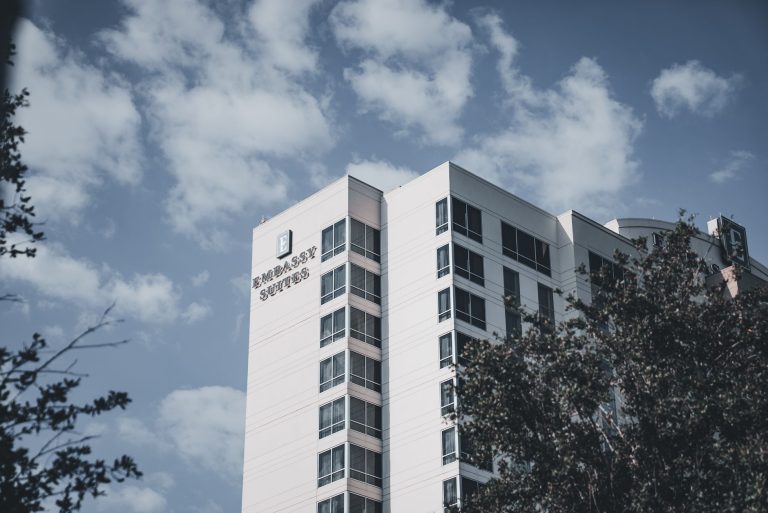
An approved public entertainment facility is a venue that meets specific regulatory standards set by local law. Those standards cover safety, accessibility, and the ability to host events without disrupting public order. If you’re running a venue or thinking about it, knowing what’s allowed under these rules isn’t optional.
Types of Approved Facilities
Theaters, concert halls, sports arenas, community centers, and outdoor venues can all qualify, but each type carries its own rulebook based on the events it hosts. A live music venue will face different requirements than a theater running dramatic productions. So before you commit to a building or a concept, check your local regulations first. What’s permitted in one municipality can be outright banned two towns over.
Occupancy and Safety Limits
Local fire codes set the ceiling on how many people can be inside at once, and that number isn’t negotiable. When I’ve worked through venue setups with clients, the fire marshal’s inspection is usually what determines the real capacity, not the floor plan. You’ll also need adequate exits, crowd control measures, and a written emergency protocol. Exceed your limit even once and you’re looking at serious liability, not just a fine.
Noise Regulations and Compliance
Noise rules vary a lot by location, measured in decibels and often tightened after a certain hour at night. Most facilities are required to monitor levels actively, not just guess. Late-night events are where venues get tripped up most often, especially if there are residential areas nearby. Non-compliance can mean fines or temporary closure, and I’ll be honest, the closure route is harder to recover from than people expect.
Licensing and Fees Overview
Hosting events in an approved facility requires a public entertainment license, and getting one involves submitting plans, passing inspections, and covering associated fees. Costs vary widely depending on your location and facility type, anywhere from a few hundred to several thousand dollars in my experience. Budget for annual renewals too, and factor in special event permits for larger occasions. The paperwork is tedious but skipping steps here causes the longest delays.
Insurance and Liability Requirements
Liability insurance is typically mandatory before your license gets approved. It protects against claims from accidents or incidents during events, and in many jurisdictions it’s a hard requirement, not a suggestion. Check the minimum coverage levels your local laws specify because they vary considerably. Going underinsured might satisfy the checkbox but leaves you exposed in a real incident.
Accessibility Standards for Venues
Facilities must meet standards that let every attendee, including people with disabilities, move through the venue comfortably. That means ramps, designated seating, and accessible restrooms as a baseline. 2. What Is Allowed in an Approved Public Entertainment Facility? often comes down to this question practically: if your venue can’t accommodate everyone, your approval can stall entirely. It’s also just the right thing to get right.
What to Do Before You Open
Staying current on 2. What Is Allowed in an Approved Public Entertainment Facility? means revisiting local regulations regularly, not just at setup. Laws change, and a rule that didn’t apply last year might apply now. Build a relationship with your local licensing office early. That one step saves more headaches than any checklist.
FAQs
What types of events can be held?
Concerts, theater productions, sports events, festivals, and community gatherings are all fair game, provided they comply with local regulations for that facility type.
How to obtain a public entertainment license?
Submit an application to your local government with venue plans, safety documentation, and the required fees. Timelines vary by jurisdiction.
What are the penalties for non-compliance?
Penalties range from fines to event shutdowns or full loss of licensing, depending on the violation’s severity and local law.