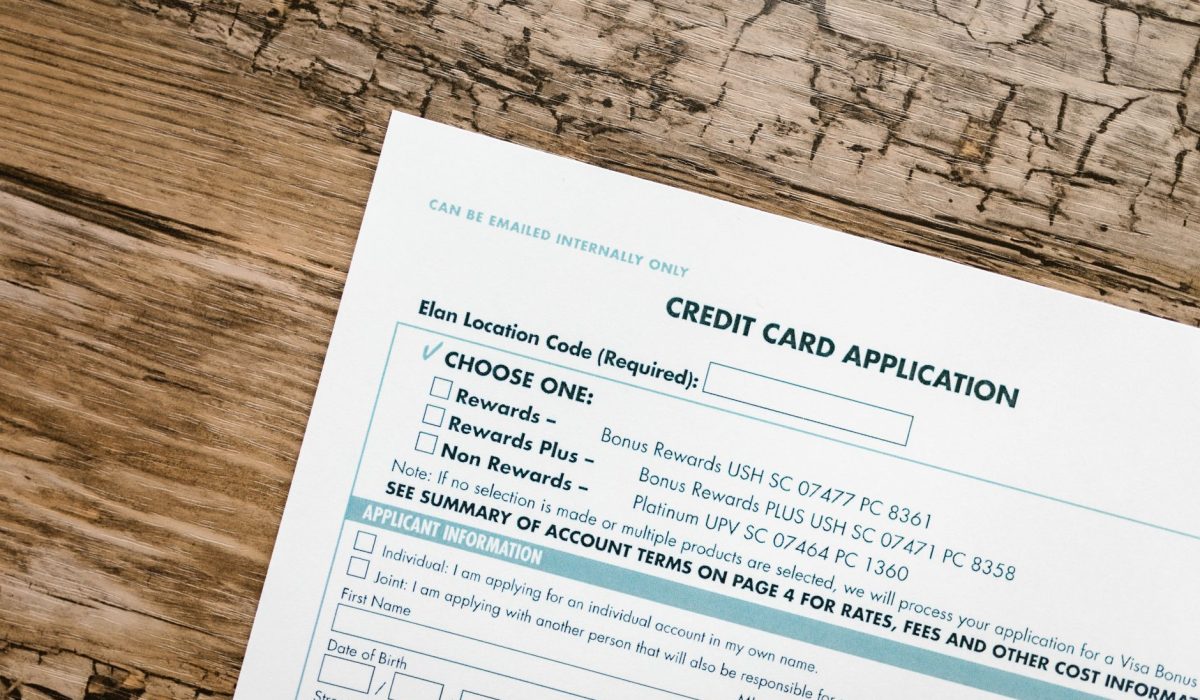
A surprising number of business credit card applications get rejected, and from what I’ve seen, it’s rarely about bad credit. It’s usually something simpler, like missing an EIN or leaving the business structure field vague. If you want to keep your application out of the rejection pile, here’s exactly what the process looks like when you do it right, covering the full scope of 5. How to Get a Business Credit Card: Requirements and Application Steps.
What Issuers Actually Check
Most issuers want a personal credit score of at least 680, and that number matters more than people expect. They’ll also look at your business structure. An LLC or corporation needs an EIN, which you can grab free at IRS.gov in under ten minutes (seriously, I timed it once). Sole proprietors can sometimes use their SSN instead, but having an EIN makes the whole application look more legitimate.
Self-reported revenue is another piece. You don’t need audited financials; most applications just ask you to fill in a number honestly. Decisions usually come back within 7 to 10 business days, though some cards offer instant approval.
Step-by-Step Application Process
Breaking down 5. How to Get a Business Credit Card: Requirements and Application Steps into a simple list makes the whole thing less intimidating. Follow these in order and you’ll avoid most common mistakes.
- Register your business and confirm your legal structure before anything else.
- Get your EIN through IRS.gov. Takes about ten minutes, costs nothing.
- Check your credit score using a free service. Target 680 or higher.
- Pick your card. Chase Ink and American Express Business cards are popular for a reason, with cashback and points that actually add up.
- Pull together your revenue numbers. Estimates are fine for new businesses.
- Submit the application carefully, making sure every detail matches your business records exactly.
Annual fees run anywhere from $0 to $695 depending on the card, so weigh the perks against the cost before committing.
After Approval: Next Steps
Once you’re approved, the temptation is to start spending freely. Don’t. Set a budget for the card right away and treat it like any other business expense line. Go through your card’s benefits too, because rewards and cashback categories vary a lot, and most people leave money on the table by not checking.
Pay the balance in full each month if you can. It keeps interest costs at zero and quietly builds your business credit profile over time, which opens doors when you need a larger credit line later. I’d also recommend reviewing your statements monthly rather than quarterly. Small errors are easier to catch early.
Making It Work Long-Term
Getting the card is the easy part, honestly. Keeping your utilization low and your payments on time is what actually moves your credit score in the right direction. One thing I’m genuinely less certain about is how quickly different issuers report payment history to business credit bureaus, so don’t assume it’s instant. Give it a billing cycle or two before you expect to see changes reflected.
FAQs
Can I get a business credit card as a sole proprietor?
Yes. Sole proprietors can apply using their SSN, though having an EIN is worth getting for credibility and cleaner record-keeping.
Does applying for a business credit card hurt my personal credit?
Most issuers run a hard inquiry, which causes a small, temporary dip in your personal credit score.
What business revenue should I put on the application?
Report your best honest estimate. New businesses with limited income can include projected revenue, and issuers generally accept that.