
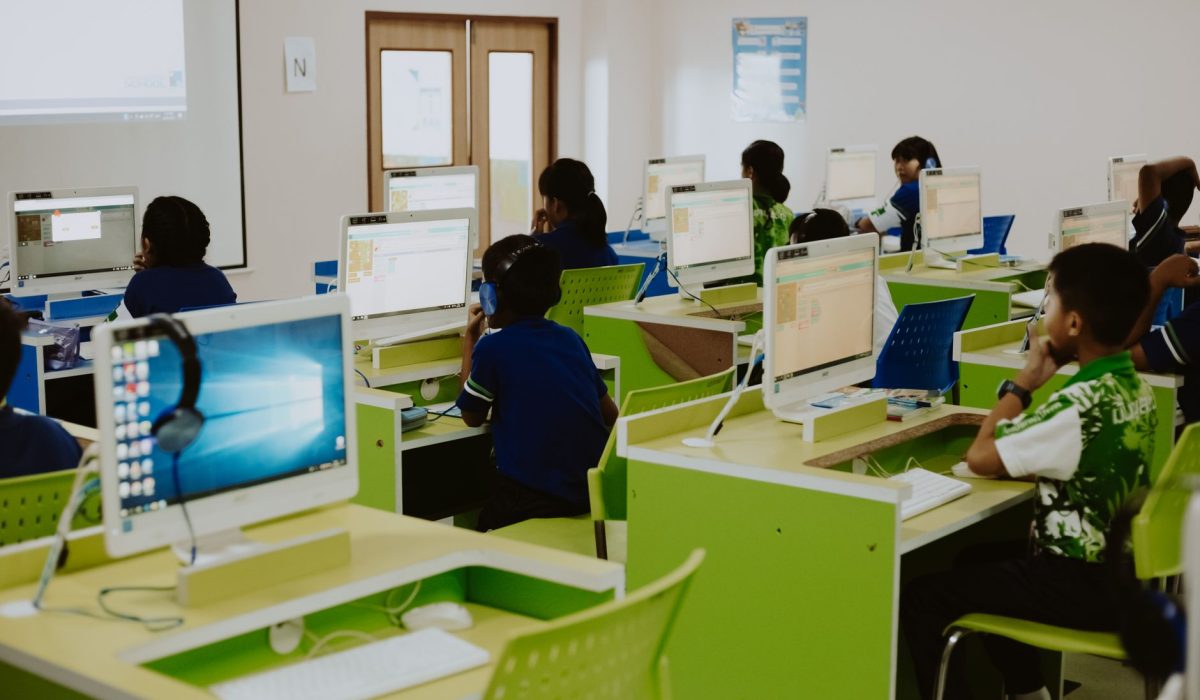
When it comes to “8. Why Technology Should Be Used in the Classroom: Benefits for Students”, the answer is clear. Technology addresses learning gaps traditional methods often miss. The U.S. ed-tech market hit $28.7 billion in 2023, which shows schools and investors are committed to this approach. But here’s something even more striking — students remember 25 to 60% of what they learn using digital methods, while those relying on standard lectures only remember about 8 to 10%. That’s a substantial difference.
What the Numbers Show
Maine’s 1-to-1 laptop initiative in 2002 was one of the earliest statewide programs. Early results were mixed, but longitudinal data showed that writing scores and student engagement improved when devices were tied to clear learning goals, not just handed out randomly. Khan Academy today is a game-changer reaching students in 135 countries for free. It’s impressive, especially when the average tutoring cost in the U.S. ranges from $40 to $100 per hour. Such access is crucial, particularly for students lacking support outside the classroom.
PISA 2022 brought in another useful perspective. Moderate tech use outshone both none and excessive use. Students glued to screens all day didn’t see better results. The best outcomes typically happen somewhere in between, a point most teachers would agree with.
Tools Tackling Learning Gaps
Adaptive software brings exciting possibilities. DreamBox, a math platform, modifies instruction based on up to 48,000 data points per student every hour. No human being can keep track of that level of feedback. By 2022, 74% of classrooms in the UK had interactive whiteboards, mainly because these tools help teachers show concepts visually and at a pace that suits all students.
These tools are effective because they target specific needs. A reader who struggles might benefit from text-to-speech features. On the other hand, a more advanced student can dive into content that challenges them without wasting time on what they’ve already mastered. Implementing these solutions doesn’t replace teachers; it simply provides them with better tools.
Where Tech Shines in Classrooms
From my perspective, technology finds its niche in three areas: differentiated instruction (one lesson for 30 students at varying levels), formative assessments (getting real-time feedback without the hassle of grading every paper), and access to unique content. For instance, a rural school without an AP Chemistry teacher can still offer that course through a solid online platform. This isn’t just a workaround; it’s a real equalizer.
Limits of Classroom Tech
Classroom tech should address a specific issue, and using it without a clear purpose often leads to disappointing results. Handing out devices without proper training, buying software that doesn’t align with the curriculum, or using platforms that gamify education too much can derail the learning process. The PISA finding that high tech use leads to worse outcomes reinforces this idea. Tech is a tool, and, like any tool, it’s only effective in the hands of someone who knows how to use it.
FAQs
Does technology improve student grades?
It depends on its application. Adaptive platforms and targeted digital tools often lead to gains, while unstructured device access can result in little improvement or declines.
What technology is most used in classrooms?
Interactive whiteboards, learning management systems like Google Classroom, and tablets or laptops are widely used in schools today.
Is too much technology bad for students?
PISA 2022 indicates that excessive tech use correlates with poorer outcomes compared to moderate use, emphasizing the need for balance in integration.

1 Comments